Ladybug: A Romantic Script Font for Marketers
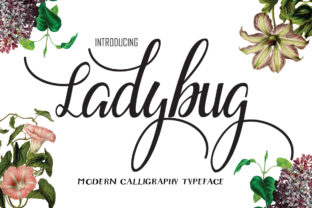
In the fast-paced world of digital marketing, a single visual element can determine whether a user scrolls past or stops to engage. As content creators and brand managers, we constantly search for design assets that balance aesthetic appeal with strategic communication. Enter Ladybug, a lovely and romantic script font designed to inject personality into your campaigns. Unlike generic typefaces found in standard software libraries, Ladybug offers a unique style that feels both handcrafted and modern, making it an essential tool for anyone looking to elevate their social media graphics, email headers, or brand identity.
When you are crafting a campaign, every pixel counts. The choice of typography is not merely decorative; it is a critical component of your visual hierarchy and brand voice. Ladybug stands out as a premium display font that captures attention without sacrificing readability. Its playful feel makes it particularly effective for brands that want to appear approachable, creative, and human. Whether you are launching a new product line or creating a seasonal promotion, this script font provides the emotional hook needed to connect with your audience on a deeper level.
Injecting Personality into Scroll-Stopping Visuals
The primary challenge for social media managers today is breaking through the noise of crowded feeds. Standard sans serif fonts, while clean, often lack the emotional resonance required to stop a thumb from scrolling. This is where Ladybug excels. As a handwritten font with a distinct character, it mimics the warmth of personal correspondence. When used in Instagram posts, Pinterest pins, or Reels covers, Ladybug transforms a static image into an invitation.
Consider the psychology of first impressions. When a user sees a headline written in Ladybug, they subconsciously associate the brand with creativity and care. This is invaluable for lifestyle brands, beauty products, wedding planners, and boutique retailers. The romantic nature of the typeface suggests intimacy and exclusivity, which can significantly boost engagement rates on platforms like Instagram and TikTok. By integrating this script font into your design assets, you are signaling to your audience that your brand values detail and individuality.
Strategic Applications Across Digital Channels
Versatility is key for any commercial font, and Ladybug proves its worth across various digital touchpoints. For YouTube thumbnails, where text must be legible at small sizes yet impactful enough to drive clicks, Ladybug works beautifully for short, punchy titles. Pairing it with a high-contrast background ensures that the playful curves remain visible even on mobile devices.
Email marketing is another arena where this typeface shines. Subject lines and header banners often suffer from being too corporate. Replacing a standard font with Ladybug for the main headline can increase open rates by making the email feel like a personal note rather than a mass broadcast. Similarly, on landing pages and website banners, using Ladybug for hero sections creates an immediate sense of atmosphere. It sets the tone before the user even reads the body copy, guiding them toward the desired action.
For campaign visuals and digital ads, consistency is crucial. Ladybug helps maintain visual consistency across different platforms, ensuring that your brand recognition remains strong whether a customer sees your ad on Facebook, LinkedIn, or Google Display Network. The unique style of the font acts as a signature, making your content instantly recognizable amidst a sea of competitors.
Mastering Readability and Visual Hierarchy
While the aesthetic appeal of a script font is undeniable, functionality cannot be overlooked. One common pitfall in marketing design is prioritizing style over clarity. Ladybug is designed to strike a balance, but it requires strategic application to ensure optimal readability. This font is best utilized for headlines, callouts, titles, and logo marks rather than long paragraphs of body text.
To create stronger visual hierarchy, use Ladybug sparingly. Let it carry the weight of your most important message—the "hook." For example, in a sale announcement, the word "Sale" or "New Arrival" in Ladybug will draw the eye immediately. The supporting details, such as dates, terms, or descriptions, should be handled by a complementary font. This contrast guides the reader's eye naturally, ensuring they understand the core message without getting lost in complex letterforms.
Mobile optimization is non-negotiable in modern marketing. On small screens, intricate details can get lost. Ladybug’s bold strokes and clear structure make it resilient on mobile previews and fast-scrolling social feeds. However, always test your designs on actual devices. Ensure that the kerning (spacing between letters) is adjusted so that the characters do not merge together, which could hinder quick comprehension.
Practical Examples for Campaign Success
Imagine a product teaser for a new skincare line. Instead of a sterile announcement, you use Ladybug to write "Glow Naturally" over a soft, textured background. The romantic script font reinforces the organic and gentle nature of the product. Or consider a webinar banner for a creative workshop; using Ladybug for the title "Unleash Your Art" invites participants with a sense of inspiration and freedom.
For personal branding, influencers and bloggers can use Ladybug to create branded templates for quotes or behind-the-scenes content. An inspirational quote graphic featuring Ladybug feels more authentic and less manufactured, fostering a stronger connection with followers. In online shop promotions, the font can highlight limited-time offers, adding a sense of urgency mixed with excitement. These realistic applications demonstrate how Ladybug moves beyond mere decoration to become a functional asset in your marketing toolkit.
Perfecting Font Pairings for Editorial Impact
No font exists in a vacuum. To achieve a professional look, especially in editorial design or packaging design contexts, pairing is essential. Ladybug pairs exceptionally well with clean sans serif fonts. The geometric simplicity of a sans serif balances the organic flow of the script, creating a modern typography composition that is easy on the eyes.
For a more sophisticated, editorial look, try combining Ladybug with a classic serif font. This combination evokes a sense of tradition and elegance, perfect for luxury brands or high-end events. The contrast between the formal structure of the serif and the playful energy of the script creates a dynamic tension that keeps the viewer engaged. Avoid pairing Ladybug with other script fonts or overly decorative typefaces, as this can lead to visual clutter and reduce overall impact.
When designing logos or brand identities, these pairings help establish a cohesive system. The script font becomes the face of the brand, while the secondary font handles the informational heavy lifting. This strategy ensures that your brand identity is both memorable and functional across all mediums, from business cards to large-scale digital banners.
Licensing and Commercial Considerations
As marketers and designers, protecting our work and respecting intellectual property is paramount. Before integrating Ladybug into client campaigns, merchandise, or digital products, it is vital to review the commercial licensing terms. Using a font without the proper license can lead to legal complications and damage your professional reputation.
Ensure that the license you purchase covers your specific use cases, whether that includes web fonts for landing pages, print assets for promotional materials, or embedding in video content for YouTube and social media. Many premium fonts offer different tiers of licensing, so choose one that aligns with the scale of your project. Investing in the correct license not only keeps you compliant but also supports the designers who create these valuable tools.
By understanding the capabilities and limitations of Ladybug, you can harness its full potential to create compelling, scroll-stopping visuals. From enhancing audience engagement to strengthening brand recognition, this script font is more than just a typeface; it is a strategic partner in your creative journey. Whether you are a small business owner or a seasoned agency designer, incorporating Ladybug into your workflow can transform ordinary content into extraordinary experiences that resonate with your audience.